
Kemper County Owner Record Fields
The Tri-State real-property search returns a compact assessment card for Kemper County parcels. Its owner field is labeled OWNERNAME. Alongside it sit the PPIN and PARID. The situs address, deed book, deed page, legal text, and an amount also appear. ArcGIS layers on more detail, including situs and mailing fields, the deed date, acreage, value components, tax district, and exemption flags. That makes it a strong companion when one record leaves a question open.
| Owner Name | The roll's current OWNERNAME string, including joint or life-estate wording |
|---|---|
| Mailing Address | Where assessment or tax correspondence goes |
| Situs | The physical address used to identify the land |
| Parcel Keys | PPIN and PARID used across county search systems |
| Last Deed Lead | Book, page, and date used to retrieve a recorded instrument |
| Legal Description | Short land text used to match the parcel, not a full survey |
Treat the record card as a snapshot of what the assessor shows today. It never certifies that the named party lives on the tract, and it is not a title report.
Kemper Current Roll Timing
The county assessment hub displays an Effective Year label, currently 2026. The label identifies the roll year and nothing else. The label does not promise that owner names change the moment a deed is recorded. Kemper County publishes no fixed window. No window covers a closing, the recording, and an updated assessment name.
A July 2025 Board of Supervisors record shows approval of the real and personal rolls. That is a roll milestone. It is not a deed-refresh guarantee. For a recent transaction, note the effective-year label. Then compare the deed date, book, page, and the clerk's current index. The newer recorded instrument is the stronger proof of a fresh transfer. An older annual roll name is not.
Note: With no published refresh interval, claims like "updated nightly" or "lags thirty days" would be unsupported.
Confirm Kemper County's Current Owner
Keep verification narrow and present-focused. Start with the current roll name, test only the newest relevant deed and any related court order, and leave historical chains to a separate prior-owner search.
- Find the property by address, PPIN, PARID, or owner and copy the full
OWNERNAMEstring. - Record the situs, legal text, and latest deed book, page, and date shown with that parcel.
- Ask the Kemper County Chancery Clerk whether that reference remains the newest conveyance affecting the same land.
- Compare the deed's grantee and vesting with the roll. Include any recent probate or court order that affected ownership.
- Owner of record
- The party named in a stated official roll or recorded instrument.
- Assessment roll
- The annual list the assessor prepares for property classification and value.
- Situs
- The physical property location, which can differ from an owner's mail address.
- Recording lag
- The unknown span between a recorded change and its appearance in another county system.
Kemper Owner Mail Is Separate
Mailing and situs fields answer two different questions. A Kemper County parcel can hold land in DeKalb. Its correspondence address may sit in another state, though. That split is common. It proves nothing by itself. It does not show the owner moved, that the land sits vacant, or that another named person lives there. The Kemper parcel sample shows a DeKalb situs paired with Chicago mailing information.
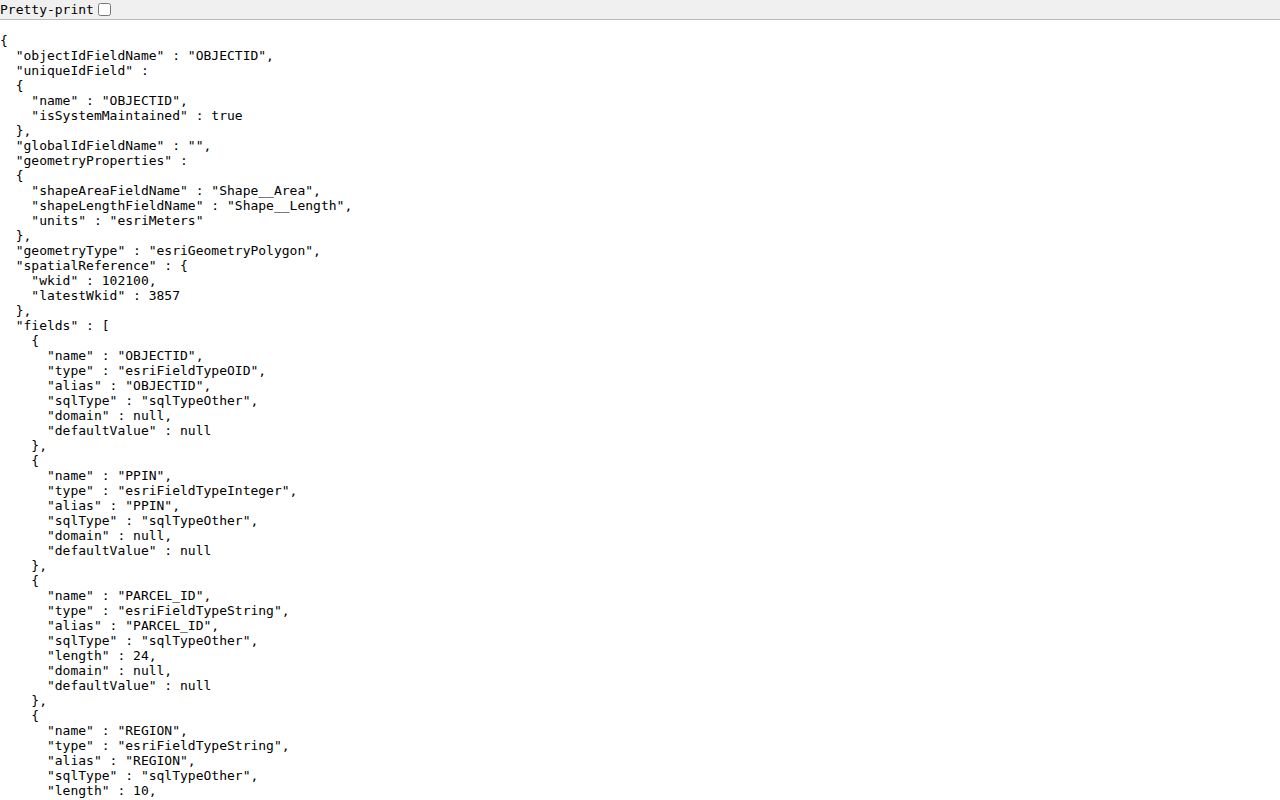
The image keeps the mapped land separate from the contact fields and carries the deed lead needed for current-owner confirmation.
Kemper Owner Names Need Context
Copy owner strings exactly as published. Joint names, ET UX, trustee wording, and (LE) can each shift a current-owner entry. Each one can change its meaning. A life estate, for instance, may name the present life tenant. Remainder interests may wait elsewhere in the deed records. Only the deed supplies the true vesting terms. Spelling matters too. A middle initial may appear in one record and vanish in another. Entity punctuation can also drift. Anchor any match with parcel keys and legal text. The broader Kemper County owner-finding method explains how to begin. It works when all you hold is a street address or a loose name.
Kemper Entity Owners Today
An LLC or corporation can hold title as the current owner of record. Search its exact recorded name in the Mississippi business database. It filters by entity name, ID, other names, status, profile and domicile type, address, county, and formation date. A registered agent or officer is not automatically the landowner. The deed links the entity to the parcel.
Trust and estate entries take different care. Trust beneficiaries may stay private. A deed can name a trustee strictly in that role. An estate may lead into Sixth Chancery probate material. It can involve executor authority, a court order, or an administrator's deed. Restricted details should stay restricted.
For a business name, compare the deed's exact entity spelling against Secretary of State results. Similar companies often share words. Check the business ID, formation date, status, and registered office without assuming the agent owns company assets. For an estate, record the case name and the fiduciary role. More than one official record may describe the current owner. The role attached to a name matters as much as the name itself.
Kemper's Newest Deed Controls
A parcel result in the Kemper County property records gives you a book and page. But the county publishes no online grantor-grantee index and no deed images. The instrument itself lives with the clerk. Go see the clerk at 280 Veterans Street in DeKalb. You can also write by mail or file a focused public-record request. Name the PPIN, the PARID, the book and page, the date, the owner, and the legal description. Ask for the newest deed that fits. Ask whether a certified copy is available.
Copy and certification fees for Kemper County are not published, so confirm costs before you commit. Phone listings have differed too. The state directory shows one Chancery line. But a later county phone list shows another. So call ahead and confirm hours before traveling. Note: A certified copy confirms the clerk's own record, not title, and the clerk is not a title insurer or surveyor.
Shape the request narrowly. Ask for the latest deed indexed to that grantee and parcel. Request the prior deed it cites and any correction filed afterward. If cost worries you, request inspection first and copies second. Mississippi public-record guidance lets an agency charge actual, reasonable search, review, duplication, and mailing costs. It may require an advance. The office can also redact exempt material and release the rest.
Contact a Kemper Property Owner
The tax roll holds the one field built for correspondence. That field is the mailing address, and it appears in Kemper County property records. A short letter works well. Identify the property and state your reason for writing. Then give a return method, and leave out sensitive details. Never visit a mailing or situs address just because the property records list it. An owner of record may rely on an agent. The same owner may use a post-office box, a trust address, or an out-of-state home.
Respect the record's limit. Use Kemper County current owner data for lawful property, estate, and civic matters. Never use it to stalk, harass, threaten, or expose a protected location.
Mississippi's Address Confidentiality Program gives qualifying victims a substitute address with mail forwarding. A public body can rely on that stand-in safely. If a Kemper County record shows one, never dig for the real home behind it.
Kemper Current Owner Limits
An assessment name can match the roll year perfectly and still be stale. Life moves faster than the tax roll. A sale, correction deed, divorce decree, probate transfer, or trust instrument can redraw the legal picture after the roll closes. Parcel lines and tax payments settle nothing about title either. Someone paying a Kemper County tax bill is not proven the owner of record.
Build the strongest current-owner file you can. Keep the roll capture, its effective year, the mapped PPIN and PARID, the newest deed, the matching legal description, and any controlling court or probate order. Ask the custodian to confirm each record's date. That packet answers who owns a Kemper County property now, without rebuilding the full historical deed chain.